
Government social media is subject to public records laws in all 50 states.
Posts, comments, replies, edits, deletions and messages may become public records when created or received in the course of official business. Brolly helps your agency capture supported social media activity automatically — and keep it request-ready.
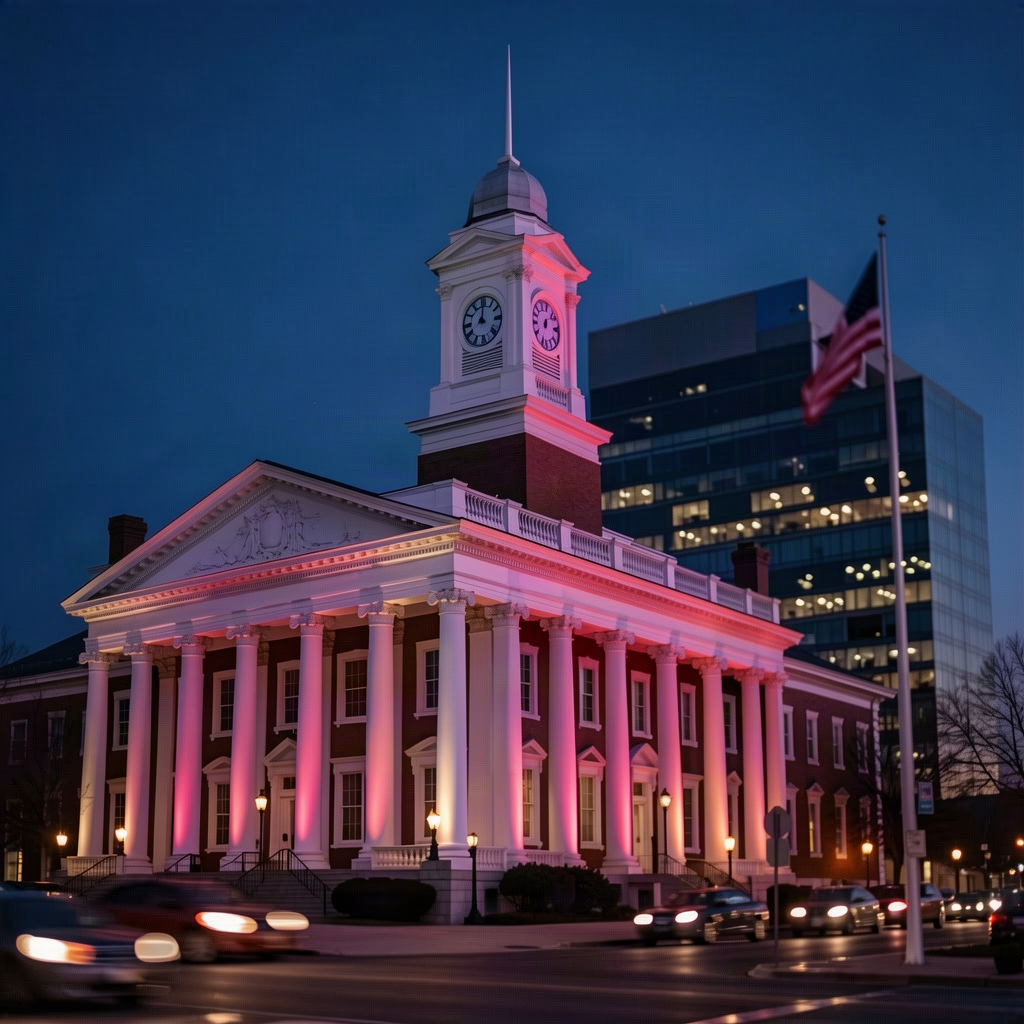
If your agency touched it,
it's probably a record.
Public records laws don't stop at official posts. Anything created or received in the course of official business on social media can fall within scope.
Posts & announcements
Official posts across connected channels — including scheduled and boosted content where platform APIs provide it.
Comments & replies
Citizen comments and agency replies — the two-way conversation is part of the record.
Edits
Changed a post? The original version is still a record. Both must be preserved.
Deletions
Deleted comments and removed posts remain subject to production.
URL screenshots
Links shared in a post are captured as screenshots of the destination page — the full context of the message, kept with the record.
Images & video
Shared media, live streams and stories — attachments are records too.
Direct messages
DMs to and from official accounts conducted on public business.
Metadata
Timestamps, authorship and version history — what makes a record defensible.
Public records compliance,
state by state.
Every state has public-records laws that can apply to digital communications. Select your state to see its statute and response requirement, and how Brolly helps. General information, not legal advice.
Find your state
Public Records ActState
All states: Alabama · Alaska · Arizona · Arkansas · California · Colorado · Connecticut · Delaware · Florida · Georgia · Hawaii · Idaho · Illinois · Indiana · Iowa · Kansas · Kentucky · Louisiana · Maine · Maryland · Massachusetts · Michigan · Minnesota · Mississippi · Missouri · Montana · Nebraska · Nevada · New Hampshire · New Jersey · New Mexico · New York · North Carolina · North Dakota · Ohio · Oklahoma · Oregon · Pennsylvania · Rhode Island · South Carolina · South Dakota · Tennessee · Texas · Utah · Vermont · Virginia · Washington · West Virginia · Wisconsin · Wyoming
Federal agencies please refer to the Federal Records Act and NARA guidance →
Capture the record.
Produce the response.
The whole conversation, captured in near-real time.
Brolly connects to your agency's accounts and automatically captures supported content and available metadata — including comments that are later deleted and posts that are edited, where platform APIs make them available. No browser extensions, no manual saves.
- Automatic, real-time capture across every connected channel
- Edits & deletions preserved with full version history
- Metadata & timestamps kept, with digital checksums on every export

One-click exports.
Request-ready in minutes.
When a records request lands, run a saved search, apply filters for edits and deletions, and export a complete, defensible package of PDF, CSV/JSON and media, in the formats requesters and courts expect.
- Saved searches tuned to your statute's definitions
- One-click export with edit/delete history included
- Audit-ready logs designed to support integrity and evidentiary review

Cut costs, not corners —
archiving that pays for itself.
Manual archiving burns staff hours on screenshots and spreadsheets that still miss what matters. Brolly replaces the scramble with a process your records officers can run in an afternoon.
- Hours back every week for records and communications staff
- Records retained until disposal is authorized
- Pricing that scales from a single clerk to a state agency


Connected accounts
Facebook, Instagram, Threads, X, YouTube, LinkedIn and TikTok.

Data & exports
PDF, CSV/JSON and full media bundles, exported in one click.

Digital checksums
Every export checksummed — supporting integrity and chain-of-custody review.

Beyond screenshots
Metadata, timestamps, edit history — everything screenshots miss.
Why screenshots and manual exports aren't enough.
Compliance made easy.
Insights made actionable.
Communities made safer.
That’s Brolly.
Purpose-built for government. Trusted by teams that protect and serve.

“Brolly: The total package for documentation and archiving.”
Brolly is a vital tool for our organization and is the total package for documentation and archiving needs.
Security your procurement team can sign off on.
Brolly is ISO/IEC 27001:2022 certified and CSA STAR registered, with controls aligned to NIST SP 800-53. Records are encrypted in transit and at rest, with audit logs on every record and digital checksums on every export.
Records officers ask. We answer.
Plain-English answers for agencies in any state — the details your counsel will ask about. General information, not legal advice.
The obligation
Is social media really a public record in my state?
What does a response requirement actually mean?
What happens if we can’t produce records in time?
What counts as a record
Do citizen comments on our posts count as records?
Do edited or deleted posts still have to be produced?
Can direct messages be public records?
What about an official’s personal account?
Which platforms does Brolly archive?
Responding to a request
Aren’t screenshots enough to comply?
How long do we have to keep social media records?
What if part of a record is confidential?
Using Brolly
Who in our organization uses Brolly?
How fast can we get started?
Will Brolly pass our procurement and security review?
State-specific statutes, response requirements and guidance: choose your state above.
Not ready for a trial?
Book a 20-minute consultation.
Talk through your agency's records obligations with our public-sector team. No sales scripts, no pressure — just answers about where your agency stands under your state's law.
Be ready before the request arrives.
Twenty minutes with our public-sector team, and you'll know where your agency stands.